
Exploring the psychological impacts of high-stakes betting on decision-making processes
The Nature of High-Stakes Betting
High-stakes betting refers to wagering large sums of money on uncertain outcomes, often found in environments such as casinos or online gambling platforms. This type of betting can create a thrilling atmosphere that attracts individuals seeking excitement and the potential for significant financial gain. However, the psychological ramifications of engaging in high-stakes betting can lead to both positive and negative effects on decision-making processes. For those keen on such environments, finding a fast withdrawal casino uk can be essential for a seamless experience.
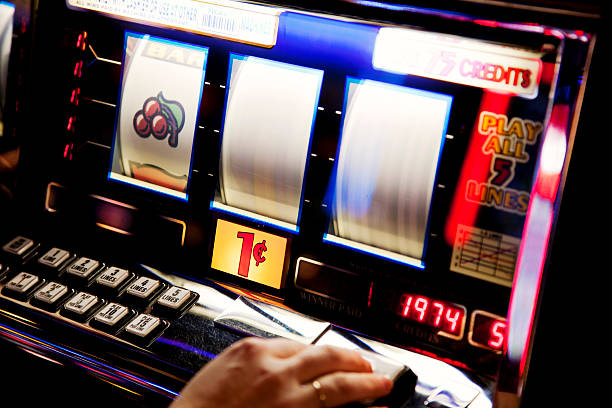
The allure of high-stakes betting often lies in the adrenaline rush it provides, which can temporarily enhance mood and cloud judgment. Players may become more inclined to take risks, believing that the potential rewards justify their actions. This mindset can alter their typical decision-making strategies, pushing them to act more impulsively than they would in everyday situations.
Numerous psychological factors come into play when individuals engage in high-stakes betting. These include the gambler’s fallacy, where players believe that past outcomes influence future events, and confirmation bias, where they seek information that supports their betting decisions. These cognitive biases can distort reality, leading to reckless choices that may have severe financial consequences.
Additionally, the high-pressure environment associated with high-stakes betting can amplify stress levels, which further impacts decision-making. When faced with the potential to lose substantial amounts of money, individuals may rely on emotional responses rather than rational thought, which can result in erratic behavior and poor choices.
Loss aversion is a significant concept in behavioral economics, describing how individuals prefer to avoid losses over acquiring equivalent gains. In the context of high-stakes betting, this principle can profoundly influence a bettor’s decision-making process. The fear of losing a substantial amount often leads to compulsive betting behavior, as players chase their losses in an attempt to recover what they have lost.
This chase can create a vicious cycle, where the need to mitigate loss drives further irrational decisions. The emotional toll can be exacerbated by the competitive atmosphere in betting environments, leading to an escalating spiral of risk-taking that undermines responsible gambling practices.
To mitigate the psychological effects of high-stakes betting, individuals must adopt responsible gambling strategies. One effective approach is setting strict limits on both time and money spent on gambling activities. By establishing these boundaries, players can maintain a healthier relationship with gambling and make more rational decisions regarding their bets.
Additionally, seeking education about the psychological factors influencing betting can empower individuals to recognize when they are falling into harmful patterns. Awareness of cognitive biases and emotional responses enables better decision-making and promotes a more controlled approach to betting, ultimately leading to a more positive gambling experience.

Our website serves as a valuable resource for anyone interested in exploring the complexities of high-stakes betting and its psychological impacts. We offer insightful articles and guidance on responsible gambling practices, ensuring that users can make informed decisions while enjoying their betting experiences.
By providing a wealth of information, we aim to foster a community of players who prioritize safety and awareness in their gambling habits. Join us to delve deeper into the psychological aspects of betting and enhance your understanding of responsible gambling strategies.